Case Study Wikipedia
Type Graduate Thesis 2026, SVA Masters in Branding
Role Brand Strategy, Positioning, Storytelling
Overview
Founded in 2001 as a side project, Wikipedia is now the largest collaborative knowledge project in history, with more than 65 million articles in over 300 languages, built and maintained by hundreds of thousands of volunteers. For most of recorded history, knowledge was controlled by institutions and those in power. Wikipedia represents a radical shift in how knowledge is created and shared. On Wikipedia, anyone could contribute, challenge, verify, and refine what we collectively know. Wikipedia belongs to no single person or authority. Its value comes from people working together to understand the world. One question leads to another, and every contribution gives someone else more to discover.
The Challenge
As the information landscape shifts, Wikipedia’s model faces growing pressure. Its editor community remains disproportionately narrow, participation is difficult to sustain, and its independence is increasingly vulnerable to political pressure. Meanwhile, AI companies and digital platforms extract value from its freely available knowledge while becoming the primary interface through which people access information. Yet much of the public takes Wikipedia for granted. The challenge is not simply to attract more visitors, but to make people recognize its value, understand their stake in it, and see participation in its future as worth protecting.
“ How can Wikipedia transform from a source of answers into a source of wonder — and inspire people to help sustain it? ”
The Approach
Wikipedia calls itself “the free encyclopedia.” That framing was radical in 2001. Today, it undersells what Wikipedia has become. This project reframes Wikipedia from a free reference tool to the collaborative record of human knowledge: a living wonder built for everyone, owned by no one.
Big Idea
Wonder is both what Wikipedia is made of and what it produces. It is both awe and inquiry in the same breath. Wikipedia is the immense effort that emerges when human curiosity becomes collective—the more people contribute to knowledge, the more there is to discover.
The Strategy
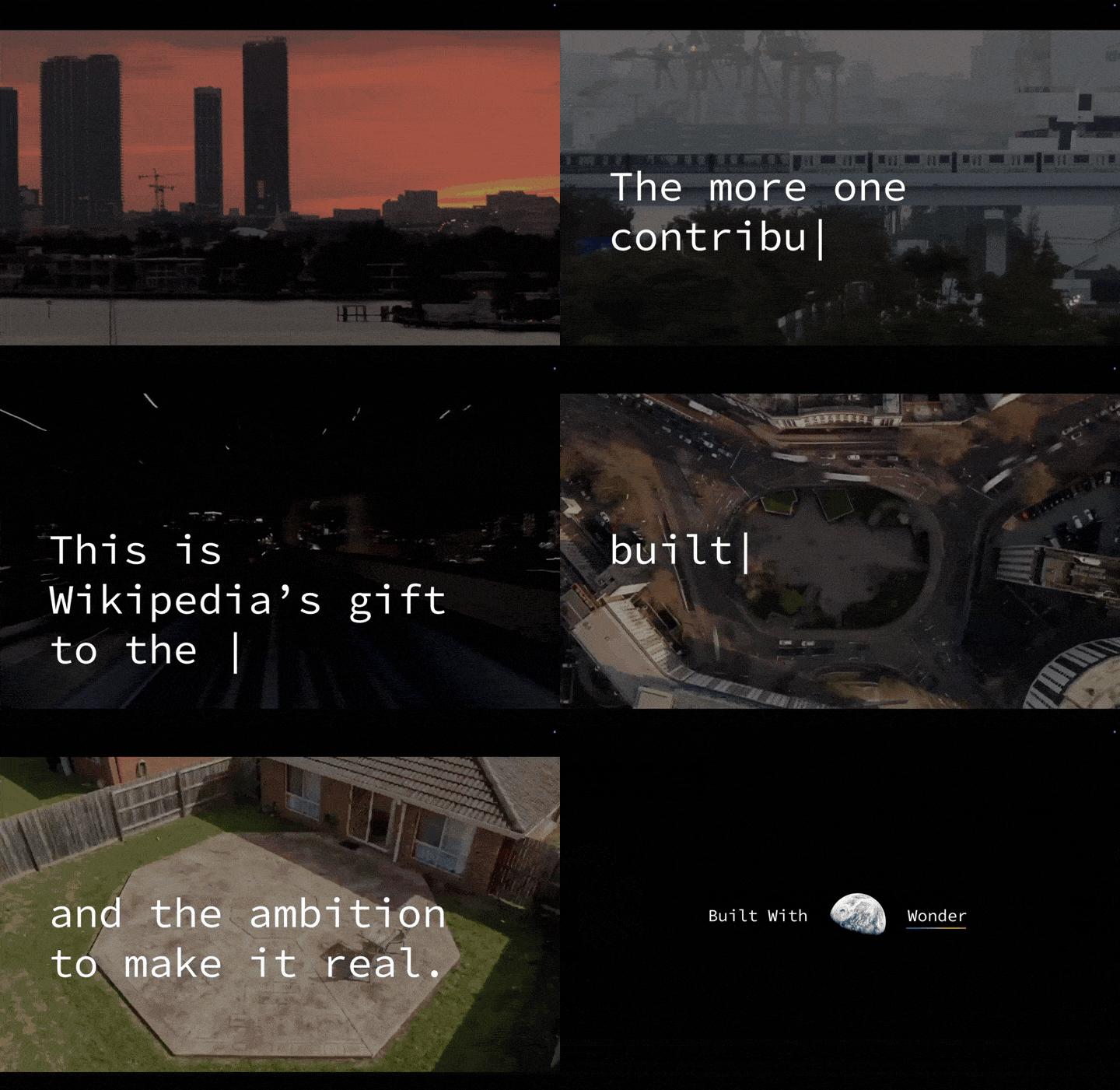
The repositioning sees Wikipedia as the collaborative record of human knowledge, by which humanity strives for understanding and truth.
With focuses on three priorities:
Expand participation
Make knowledge stewardship accessible to more people.Deepen experience
Move beyond passive consumption toward discovery, questioning, and contribution.Shift perception
Reframe Wikipedia from a everyday tool into an indispensable foundation of human knowledge.
The opportunity is to redefine participation, move beyond editing as the primary mode of contribution, create new incentives to get involved, and make Wikipedia more culturally resonant so more people see themselves as part of it.
Citation Needed
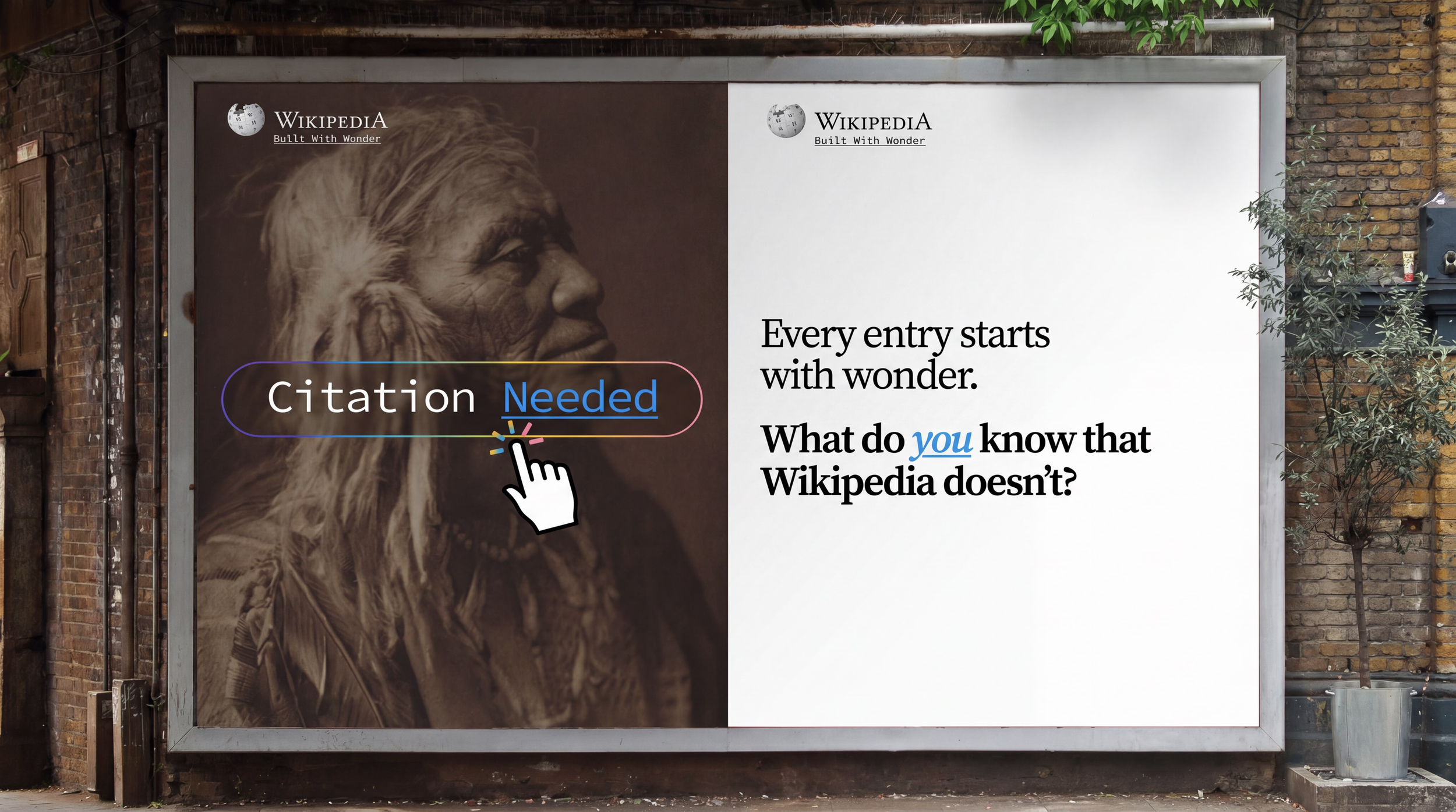
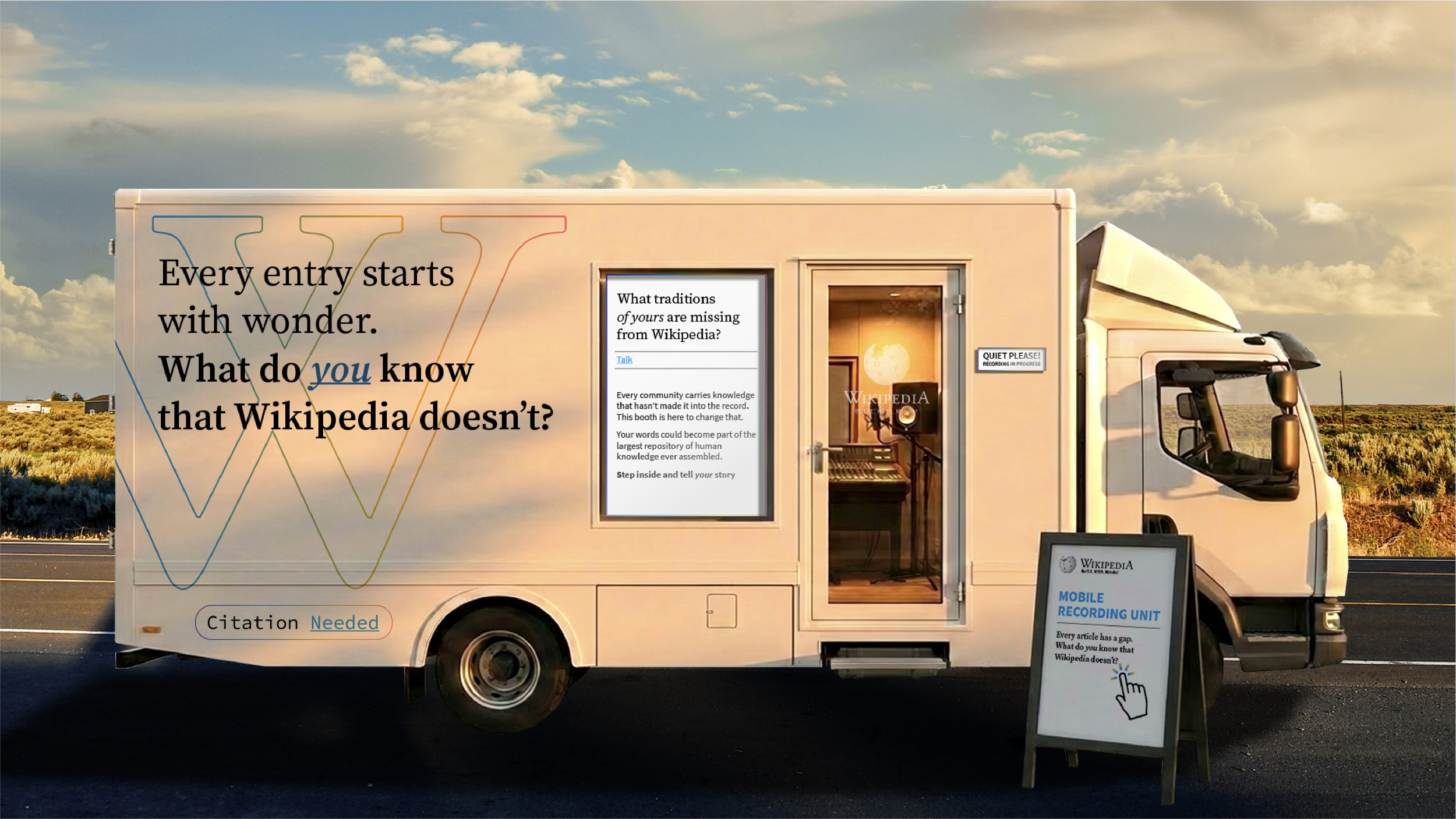
“Citation needed” is the small bracketed note used to flag any fact on Wikipedia that lacks a source. Taking “Citation Needed” into the world and transforms it into a call to action. Highlighting the gaps in the record opens the door to wonder, what’s missing might be something that you know. Each story is placed where it will resonate the most. In the Pacific Northwest, that means city centers, reaching community members with firsthand knowledge and inviting them into the conversation.
A mobile recording studio will travel directly to the communities most underrepresented on Wikipedia, providing potential contributors a way to record firsthand accounts and cultural knowledge that doesn’t meet Wikipedia’s current citation standards.
Rabbit Hole
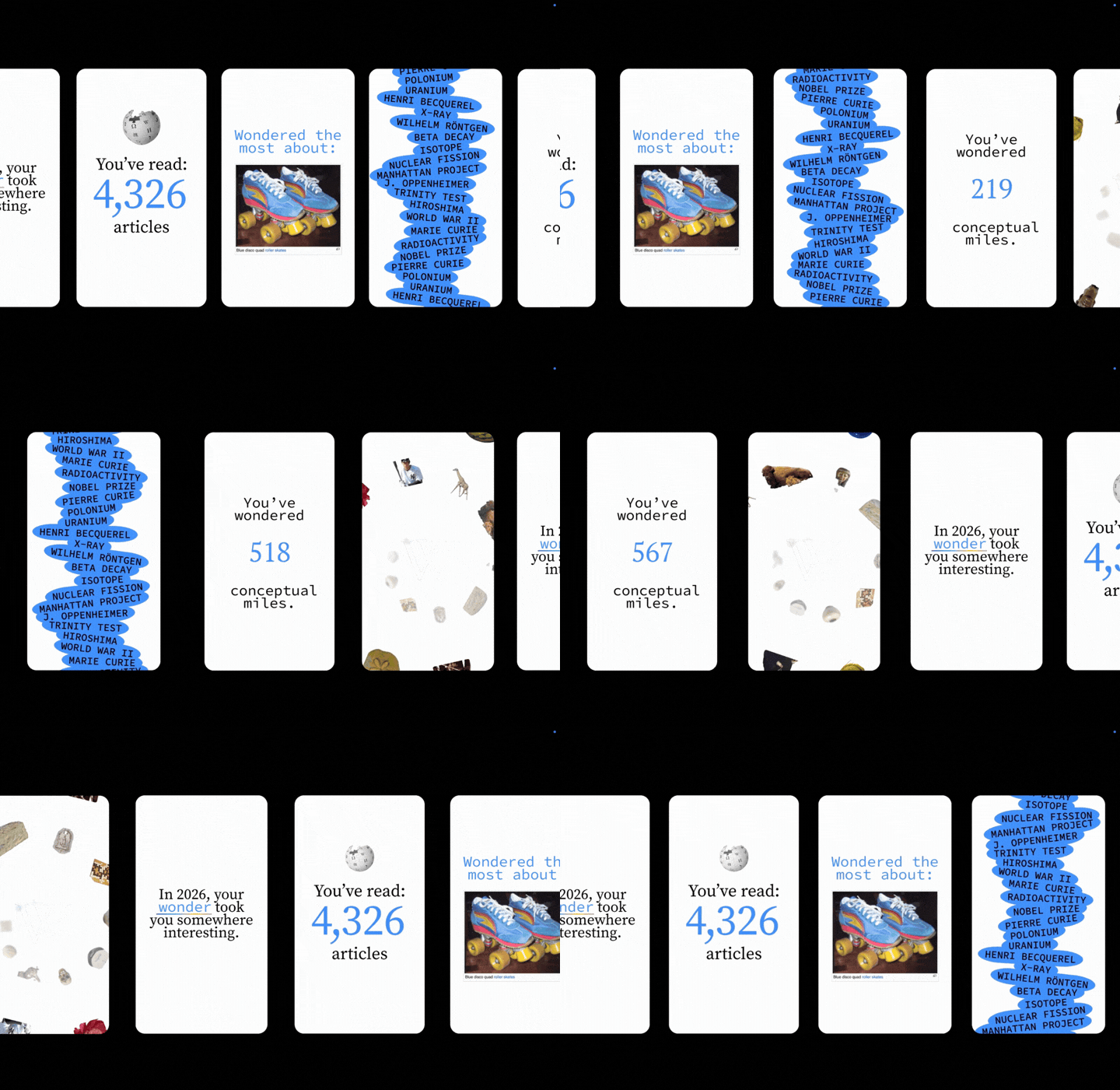
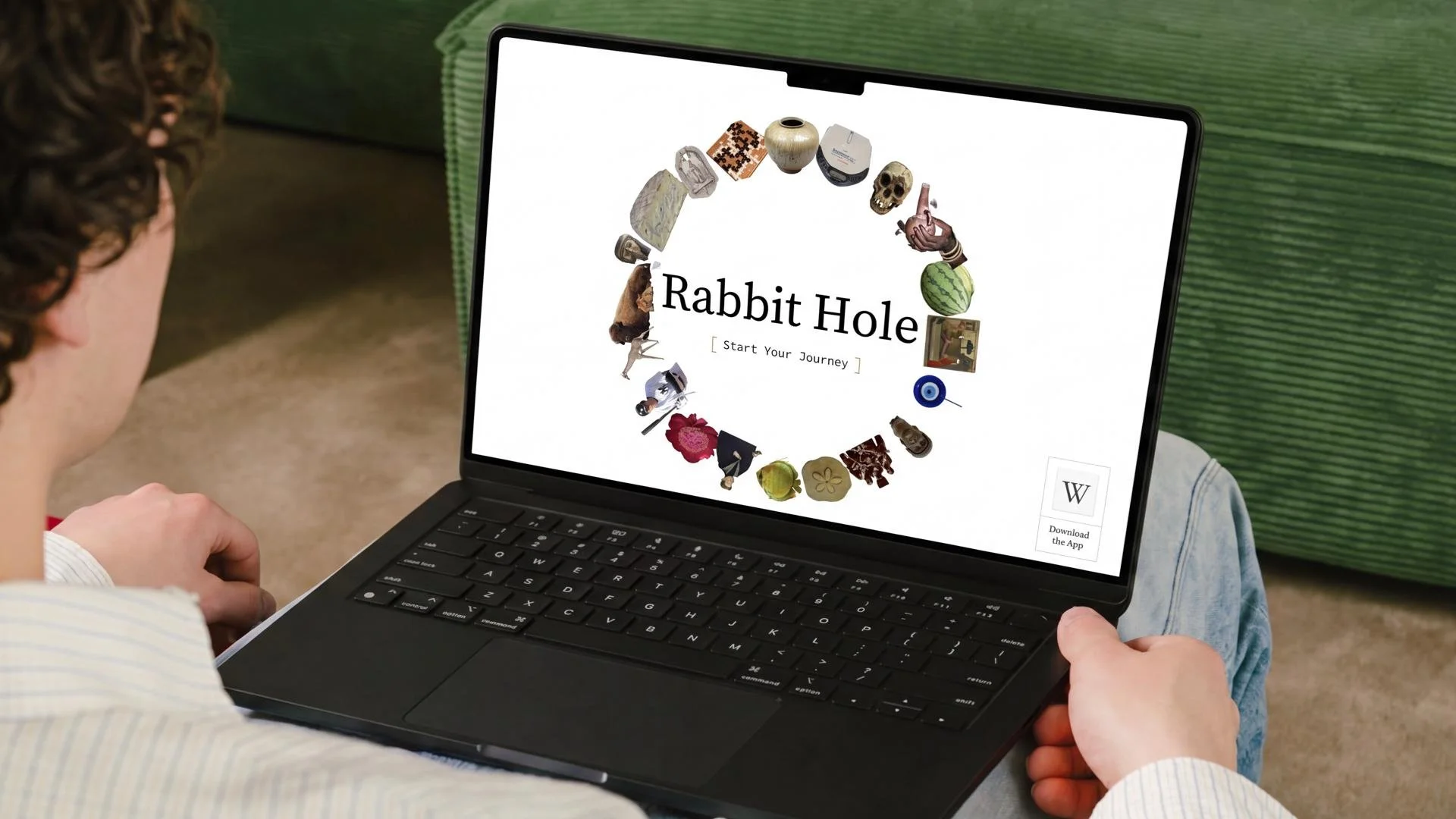
On Wikipedia, the Rabbit Hole—also known as a “wiki black hole” or a “wiki walk”—is the experience of losing track of time while wandering, link by link, into unexpected discoveries.
Fans of Wikipedia relishthis experience. As an in-app personalized feature, The Rabbit Hole is theirs to keep. Now that journey is turned into a shareable recap: a year of Wikipedia rabbit holes, recorded and summarized, so a year of wonder becomes something people can see and post across social media.
Guest Contributor
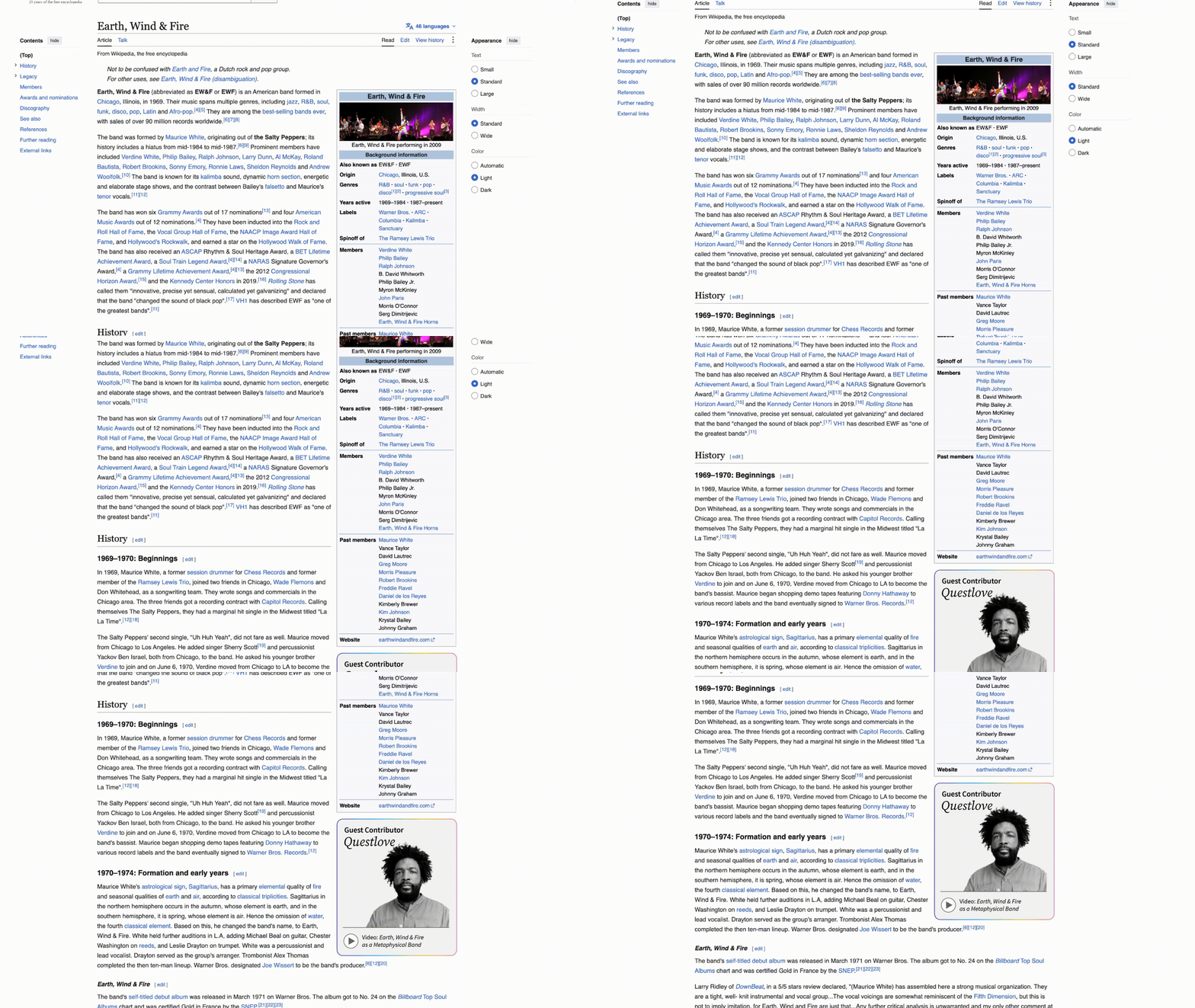
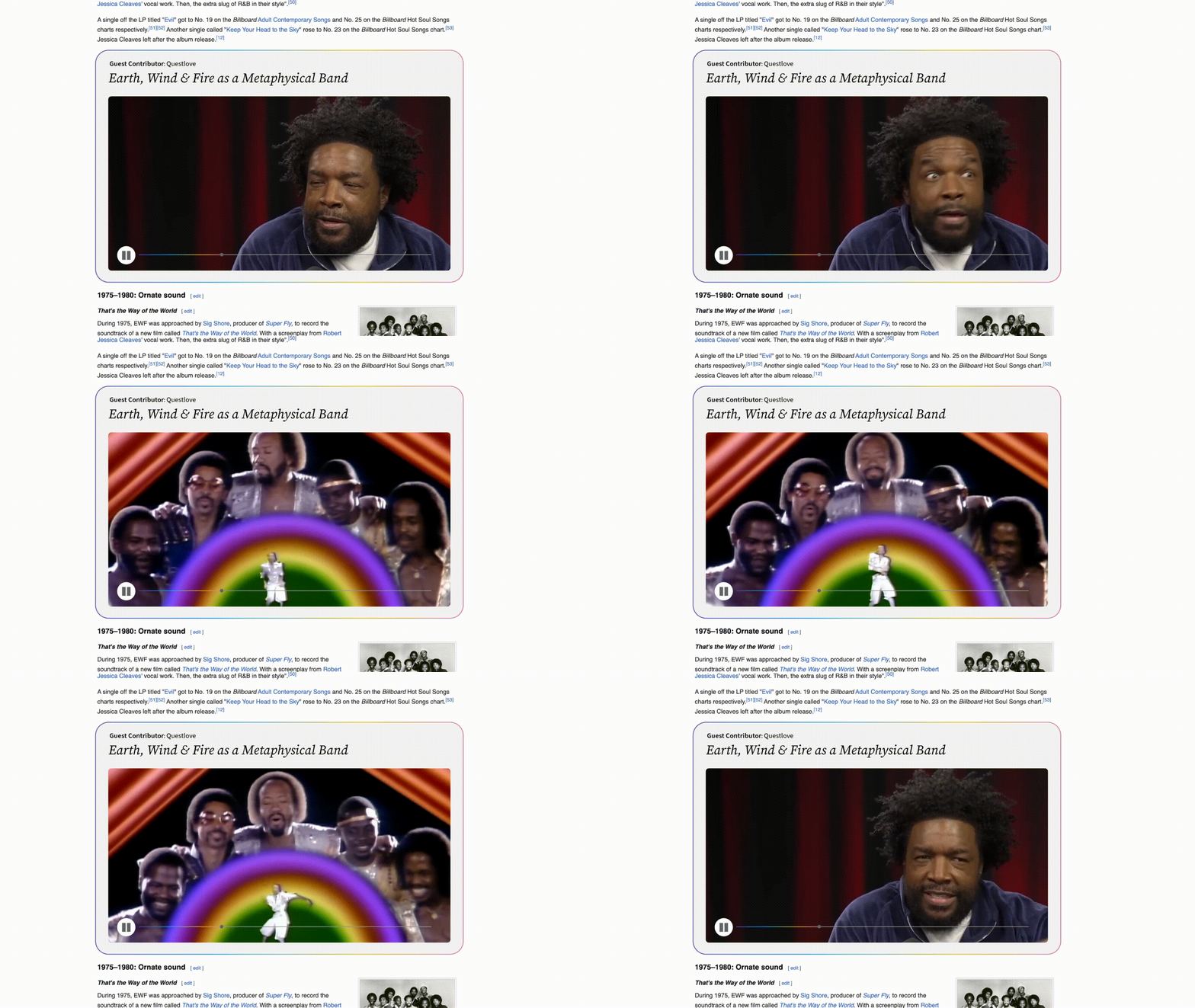
Guest Contributor deepens the knowledge depth with subject matter experts. Each guest records a short video monologue embedded directly into the article, and a click opens the video alongside the text, placing expert perspective within the entry itself.
Here, Questlove speaks with insight and reverence about the genre bending band Earth, Wind, and Fire. His contribution brings interpretation, lived expertise, and cultural testimony from a practitioner who shaped the field he is describing—a dimension of meaning that enriches the encyclopedia’s factual record.
Wikipedian Spotlight
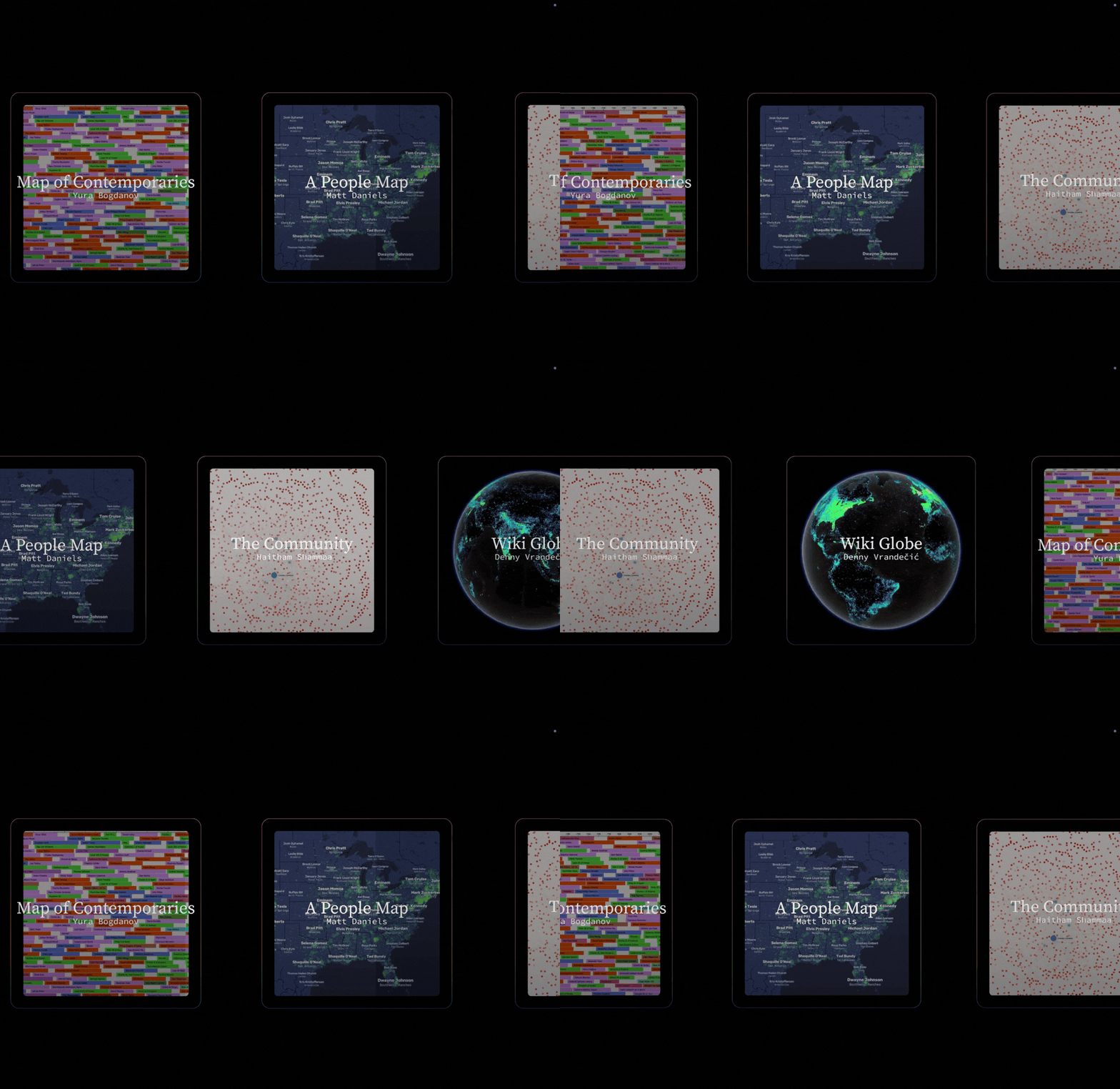
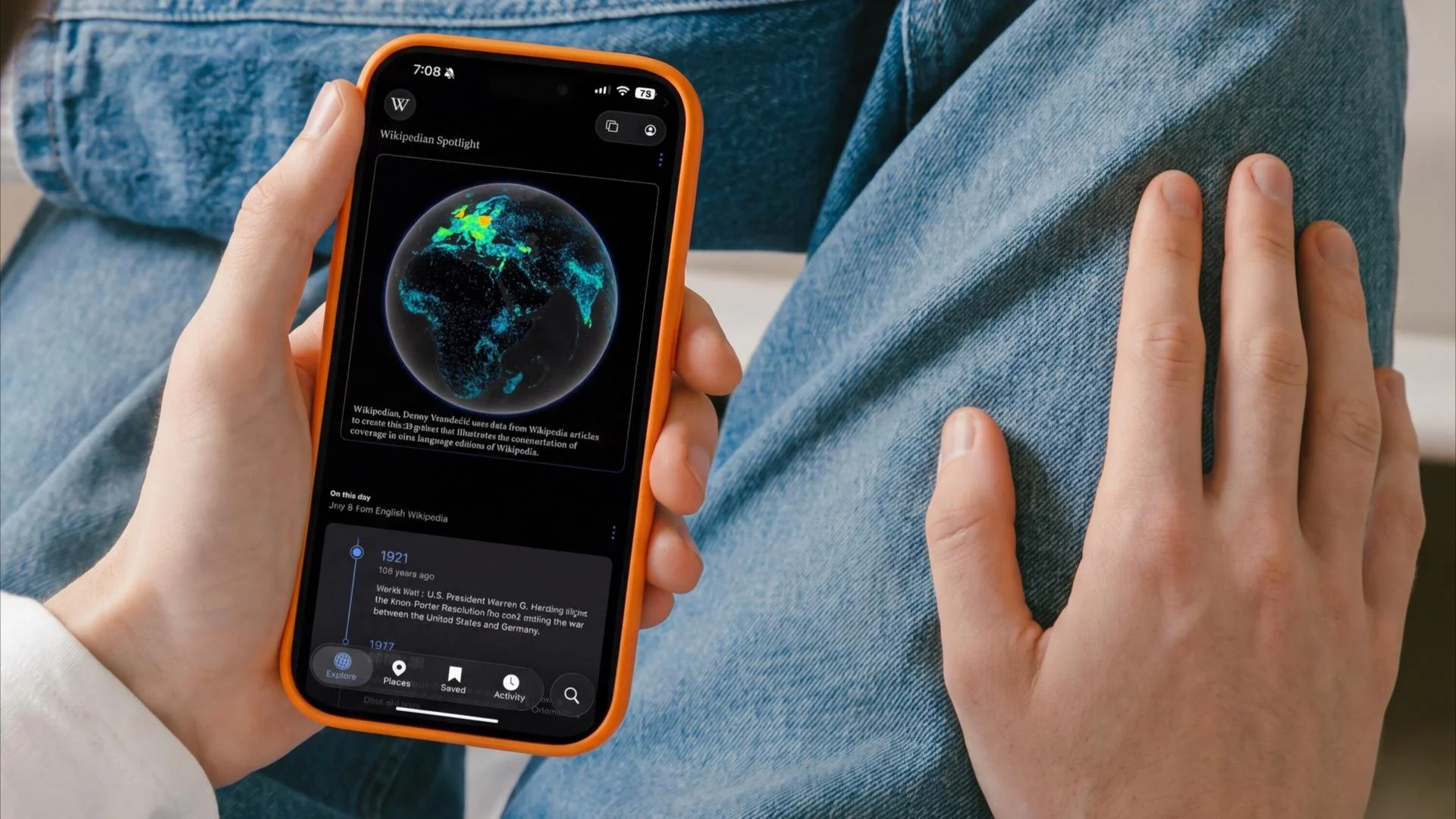
Wikipedia's code is open source, and thousands of Wikipedians have used its data to create original visualizations. However, these projects currently live in isolation, scattered across personal websites, and are not easy to find or aggregate in a single location.
A Wikipedian Spotlight uses the app’s existing Photo of the Day and Article of the Day placements, once a month, spotlighting a community project on the Wikipedia homepage. By highlighting and celebrating what the community has already built, we can open the door to new forms of contribution, ones that live outside the edit history, and start showing people that participation isn’t limited to editing alone.
Living Article
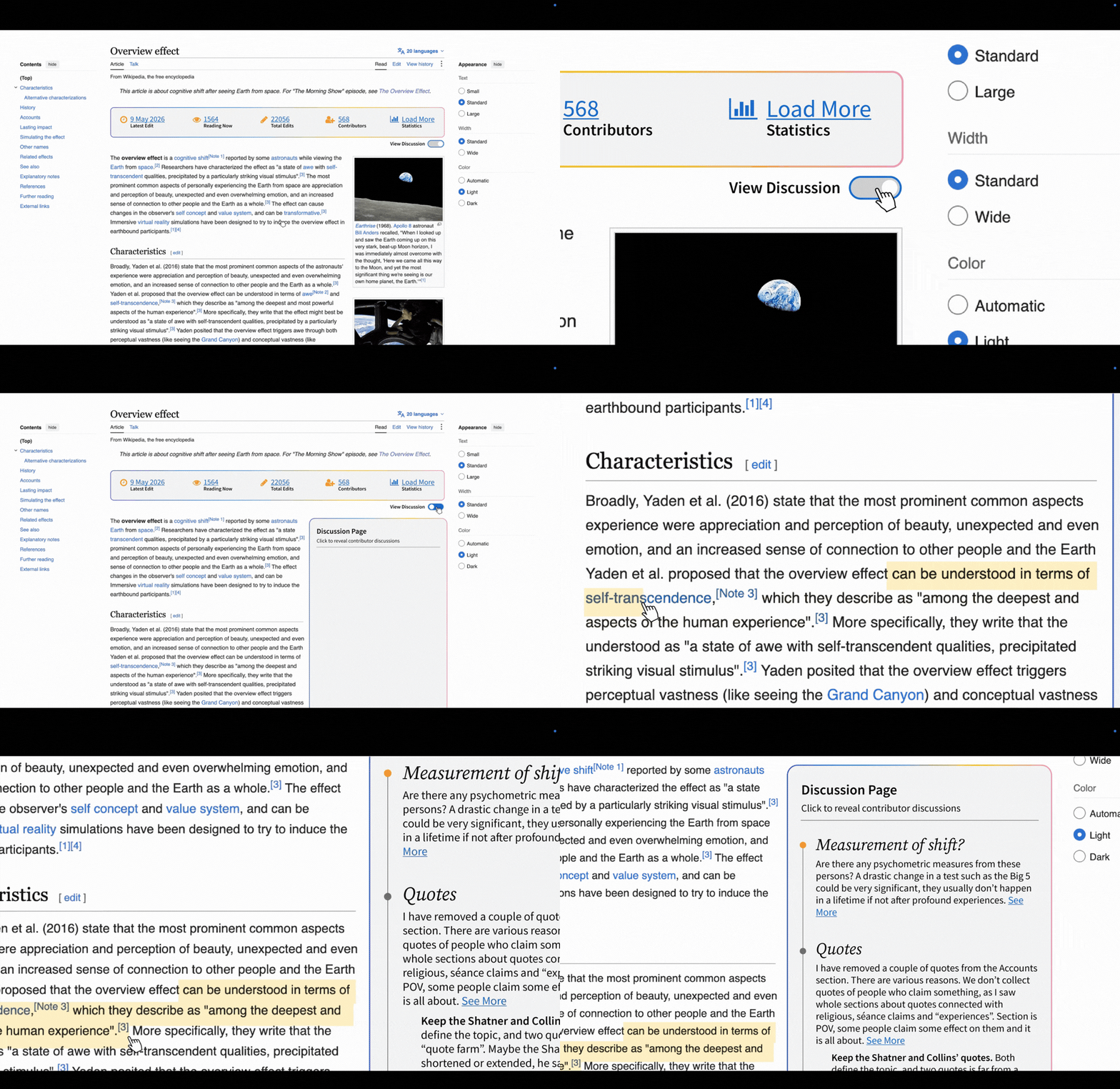
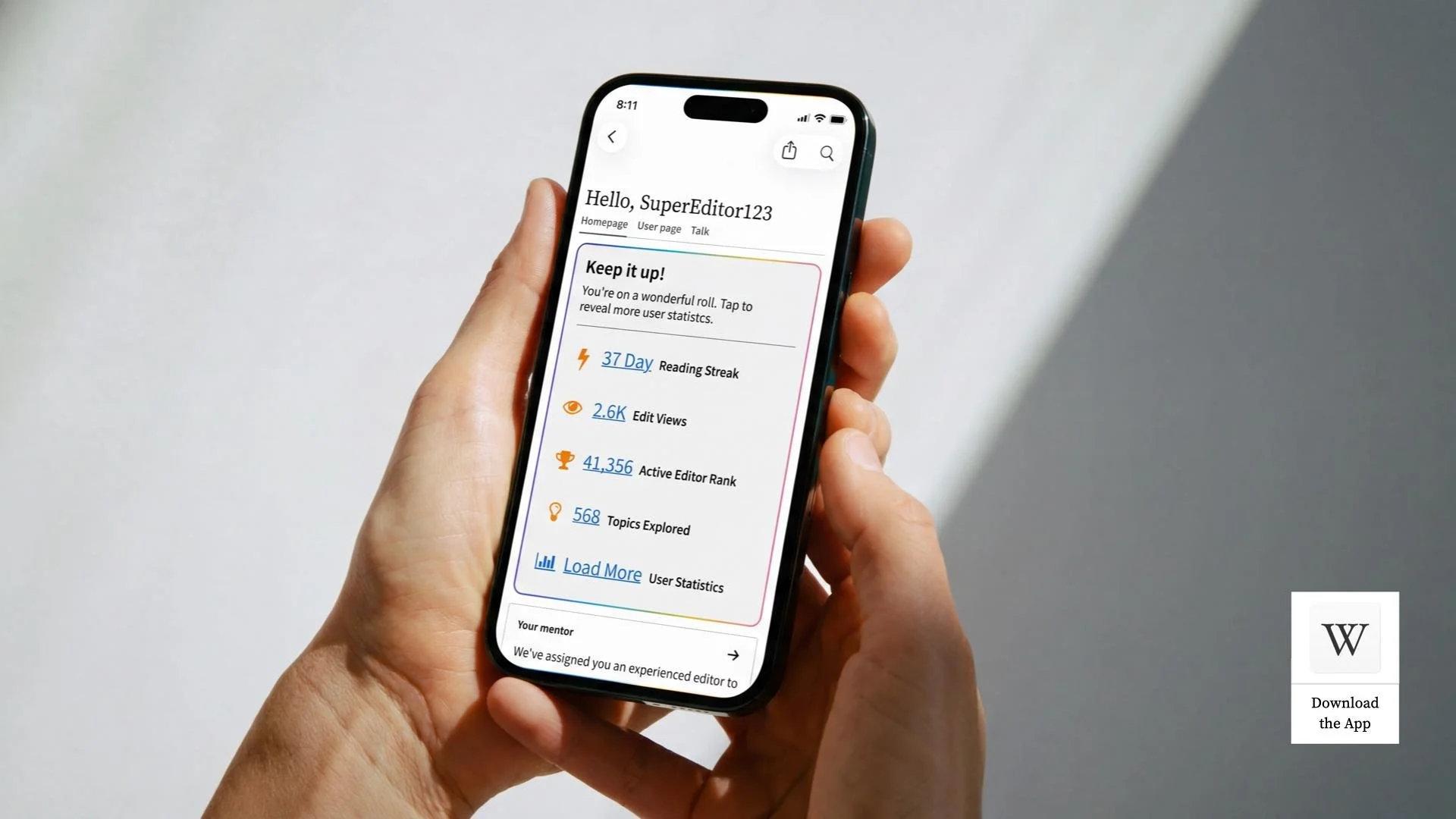
The Living Article reveals contributor activity and real-time editing data as you read—an optional toggle that offers a glimpse behind the scenes: who’s reading, who last edited, and how the article is evolving.
On the Wikipedia app, the Living Article experience becomes personal. Readers build streaks, track citations viewed, climb editor rankings, and watch their explored topics grow.
Wonders of the world
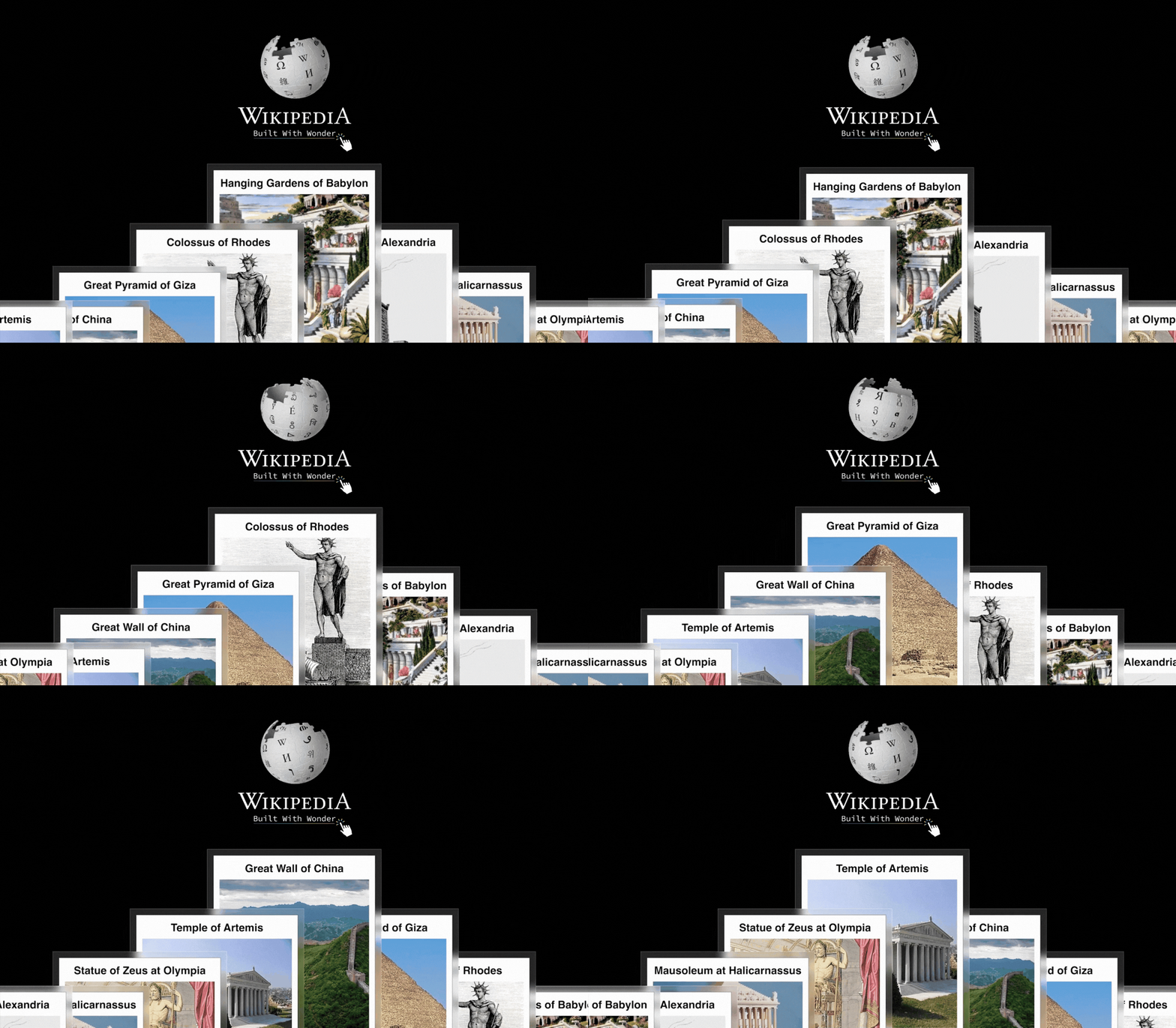
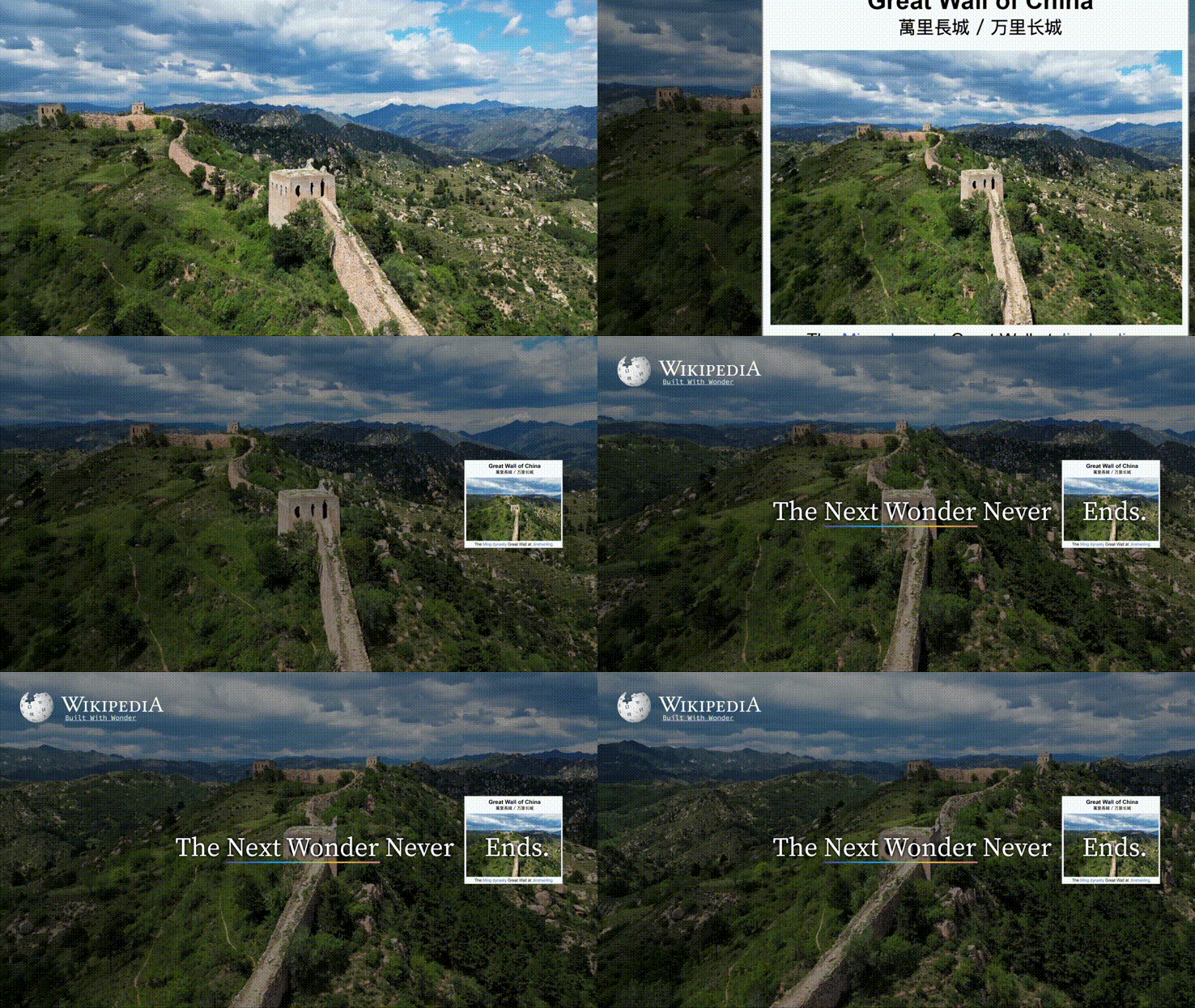
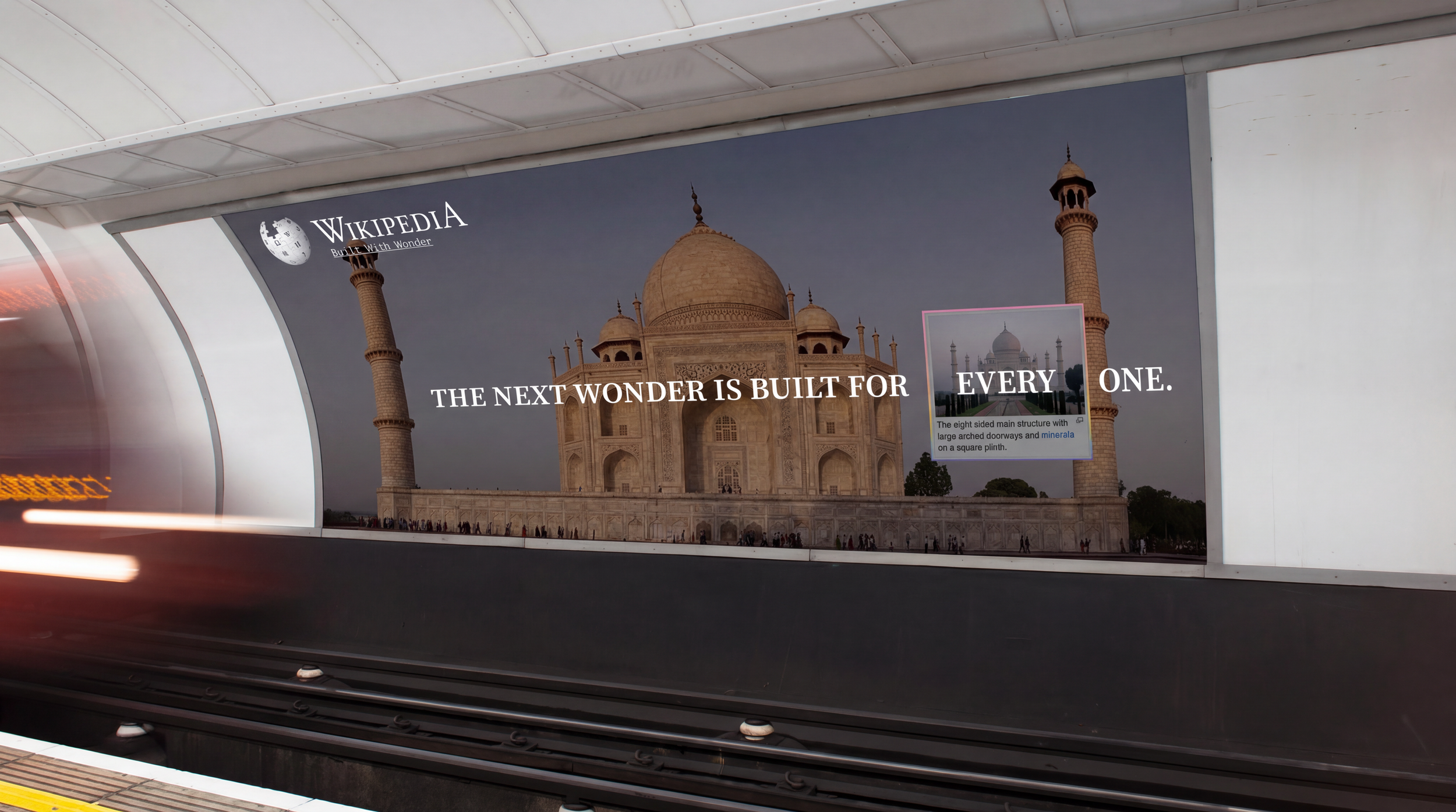
The world has a system for protecting its wonders. Through UNESCO, places like the Colosseum and Great Wall are recognized as heritage belonging to all humanity. Wikipedia—built by millions of volunteers, with 65 million articles and 30+ million daily readers—belongs in that conversation.
We are formally submitting a petition to UNESCO to recognize Wikipedia as the first intangible wonder of the digital age, alongside a global campaign that challenges what we consider “world heritage” and asks the world to see Wikipedia differently.
The harder Wikipedia is to take for granted, the more people will stand to defend it.
A Wonder built with wonder.
Reaching everyone. Created by anyone.
Team: Ashford Stamper, Ding Ding, Michele Cillione, Samantha Fellers, Tina Lee